
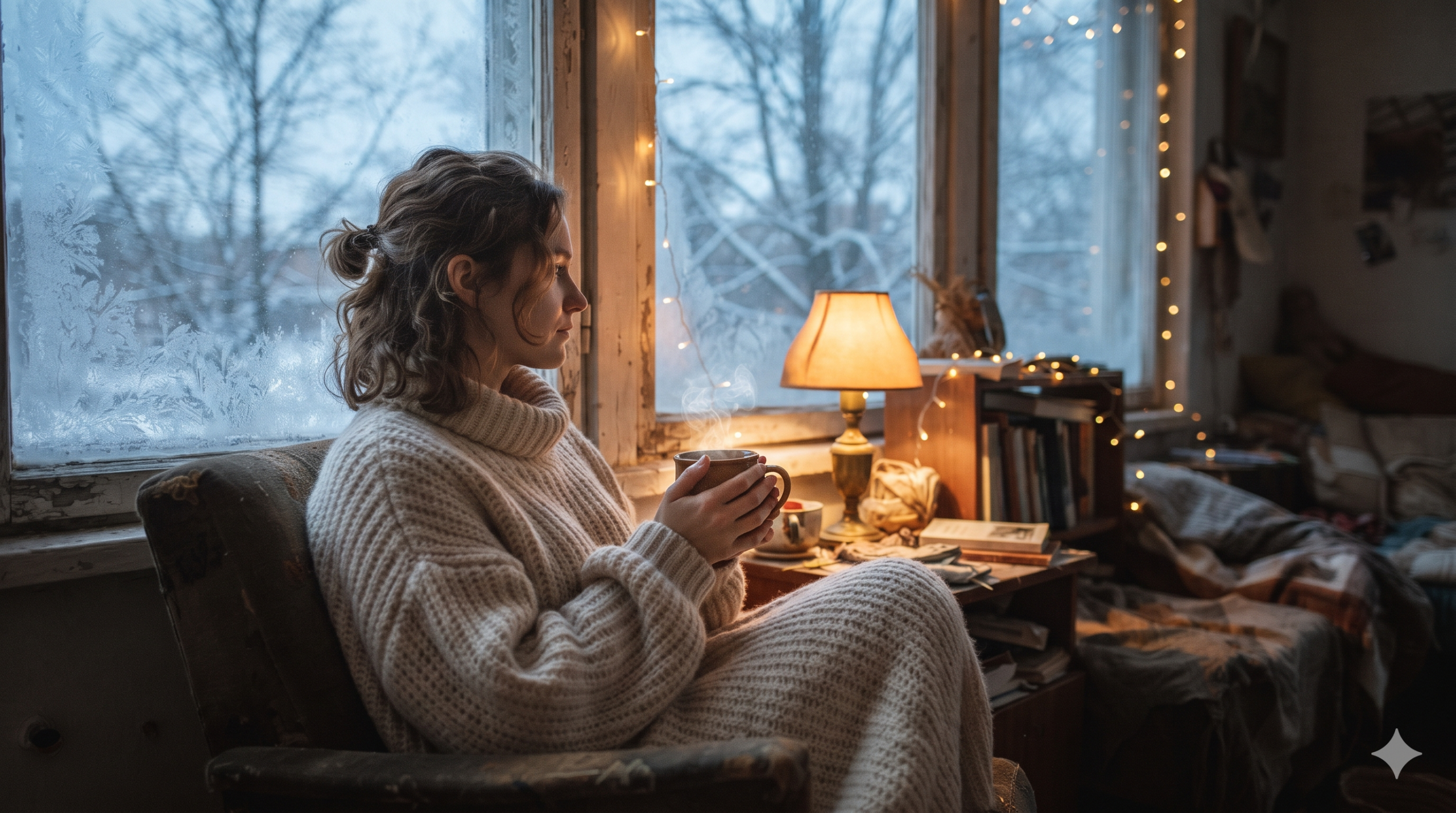
Seasonal Depression (Winter Blues): 12 Things That Actually Help
The first year it happened, I blamed my job. The second year, I blamed the breakup. By the third November in a row that I felt like someone had turned my brightness down to 20%, the pattern was a bit too neat to ignore.
Turns out it has a name.
Seasonal depression (doctors call it seasonal affective disorder, or SAD) is low mood that arrives with the shorter days and usually clears off in spring. It’s tied to light. Less daylight throws off your body clock and the brain chemicals that handle mood and sleep, which is partly why it’s more common the farther you live from the equator. If you’re reading this in Manchester or Minneapolis in December, you already know.
For me it looked like this. Sleeping nine hours and waking up wrecked. Wanting toast. Only toast. Canceling on friends, then feeling guilty about canceling. Not sad exactly, just flat, like the color had drained out of everything.
Other people describe it as foggy, heavy, short-tempered, or like every small job takes twice the effort. Some get all of that. Some get a milder version people call the winter blues.
What actually helped (and what didn’t)
I’ve tried a lot over the years. Some of it was useless. I’m looking at you, $40 “mood boost” candle. These are the things that stuck.
Daylight, first thing. This is the big one. I walk for 15 or 20 minutes within an hour of getting up, even when it’s drizzly and gray and I’d rather stay under the duvet forever. A gray winter morning is still far brighter than any room in your house.
A light box. My friend nagged me for two winters before I bought one. You sit near it for about 20 to 30 minutes in the morning, while you drink your coffee or answer emails. Talk to your doctor first, especially if you have eye problems or bipolar disorder, because it isn’t right for everyone. It took about a week before I noticed a difference.
Vitamin D, after checking. We make it from sunlight, so a lot of people run low in winter. In the UK, the NHS suggests most people consider a daily supplement through autumn and winter. In the US, ask your doctor whether you should be tested.
Same bedtime, same wake-up time. Weekends too. Annoying. Works.
Making plans back in October. By December I won’t reach out to anyone, so I book things while I still have the energy. A standing Thursday call with my sister has rescued more winter evenings than I can count.
Lowering the bar. Some weeks, dinner is cereal. That’s allowed.
What didn’t help? Scrolling in bed at midnight. Trying to fix it by working longer hours. And pretending it wasn’t happening, which is what I did for years.
Little things for the long dark evenings
- Big light off, lamps on, the minute it gets dark
- Soup. I’m serious about the soup.
- Something booked for February, even a day trip
- A lunchtime walk on days the morning one doesn’t happen
- Saying out loud to one person, “winter’s hard for me”
When it’s more than the blues
If you’ve felt low most of the day, most days, for a couple of weeks or more, or it’s getting in the way of work, sleep or looking after yourself, please see your doctor. It’s treatable. Light therapy, talking therapy and sometimes medication all help, and you don’t have to white-knuckle it until March.
And if things ever feel hopeless, reach out right now. In the US you can call or text 988. In the UK, Samaritans are on 116 123, free, day or night.
The days are already getting longer
Only by a minute or two at a time after the solstice, but they are. You don’t have to feel brilliant all winter. You just have to be a bit gentler with yourself until the light comes back.
If your brain gets loud on these long nights, I wrote about that in How to Stop Overthinking. And for the heavy days, I Need You To Know That It Gets Better.
What gets you through the dark months? Tell me in the comments. I’m always collecting new ideas.
Quick answers
When does seasonal depression usually start? Late fall for most people, easing in spring. A smaller group gets it in summer instead.
Is it the same as the winter blues? Not quite. The winter blues is a milder dip. SAD is a form of depression that affects daily life more. If you’re unsure which you have, your doctor can help.
Do SAD lamps work? Light therapy is one of the most commonly recommended treatments, and many people find it helps. Check with your doctor before you start.